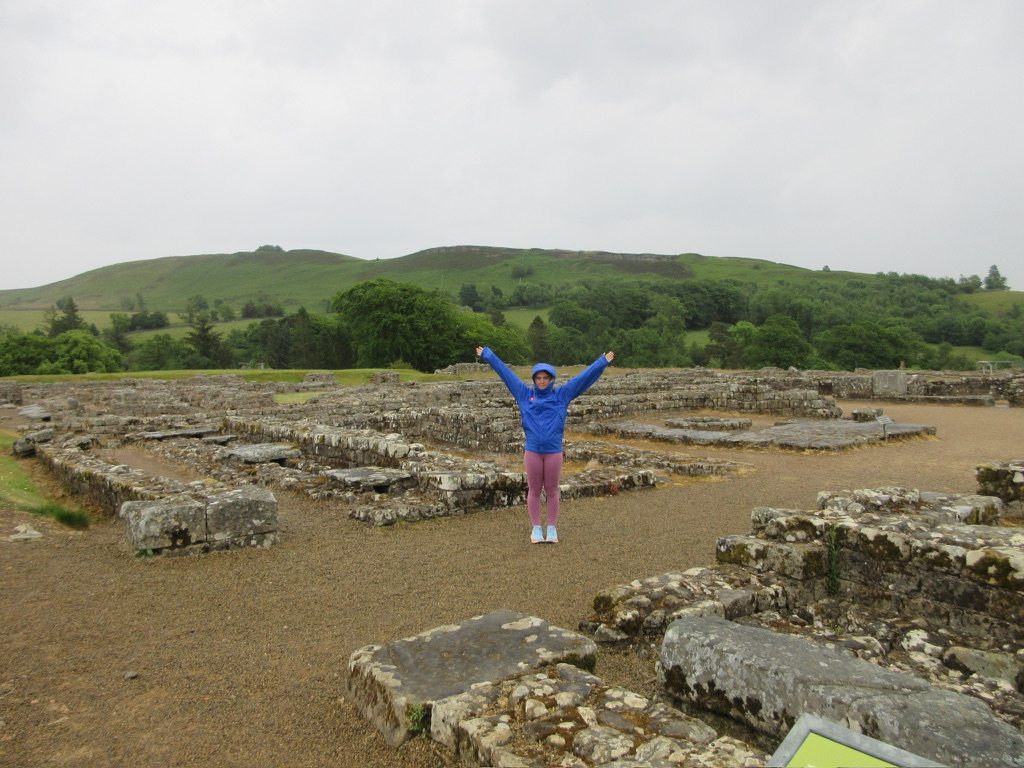

We took the train over to Newcastle upon Tyne for our last day in Northern England. The city itself is located on /near the site of a Roman fort along Hadrian’s Wall, Pons Aelius.
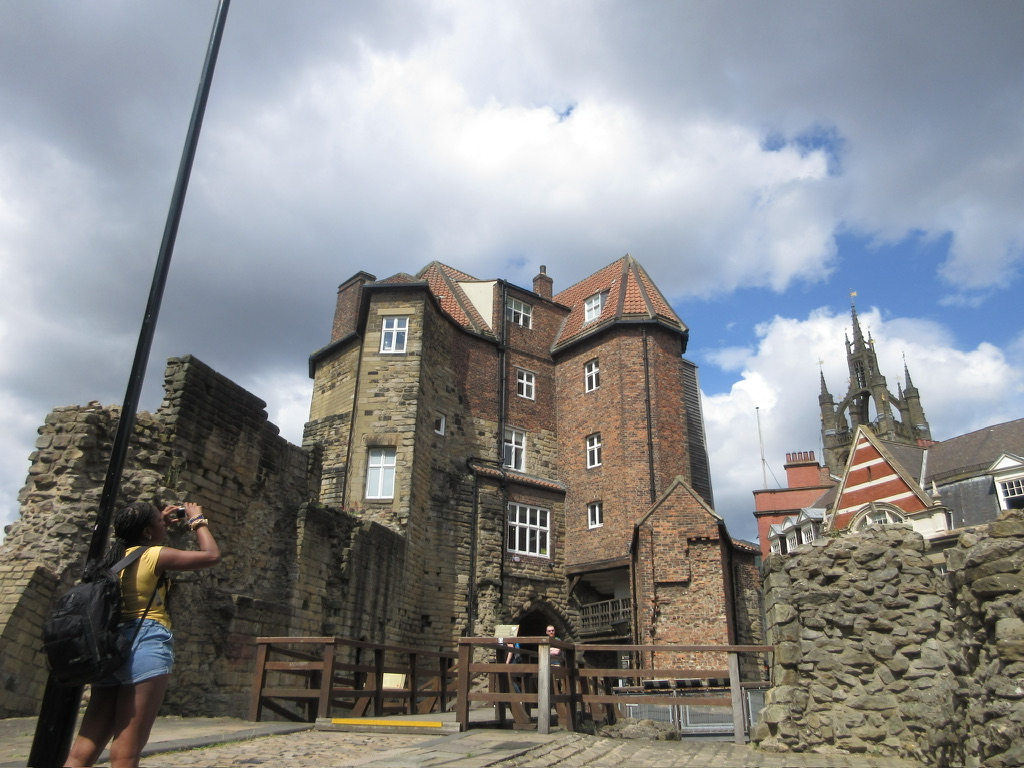
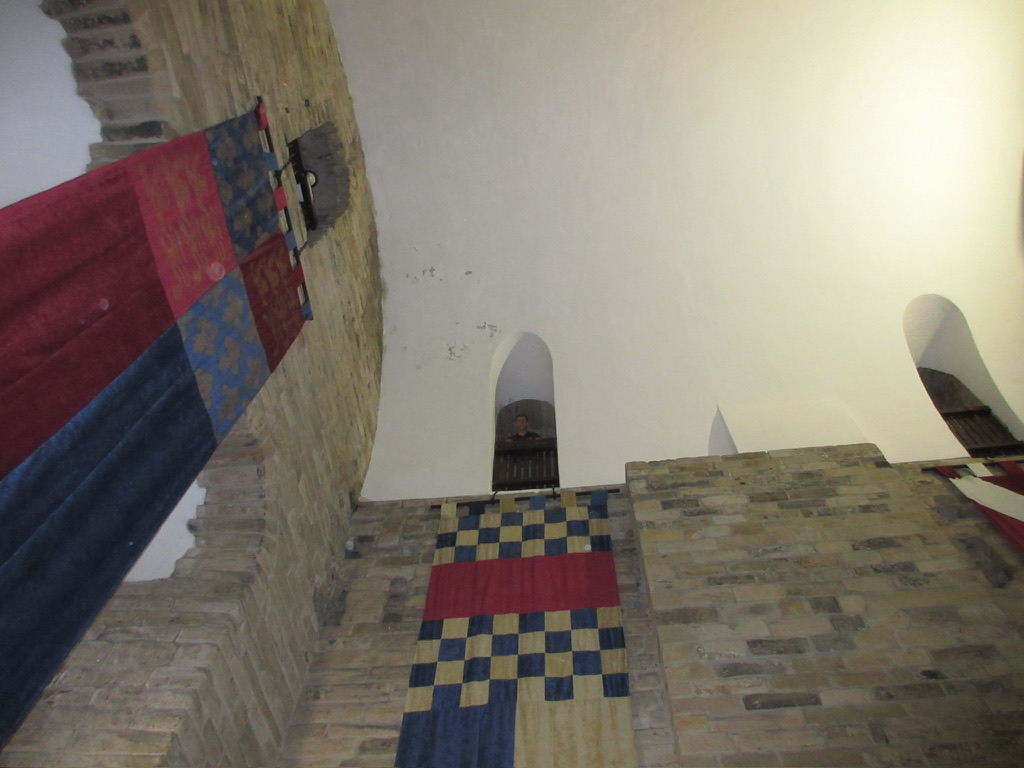
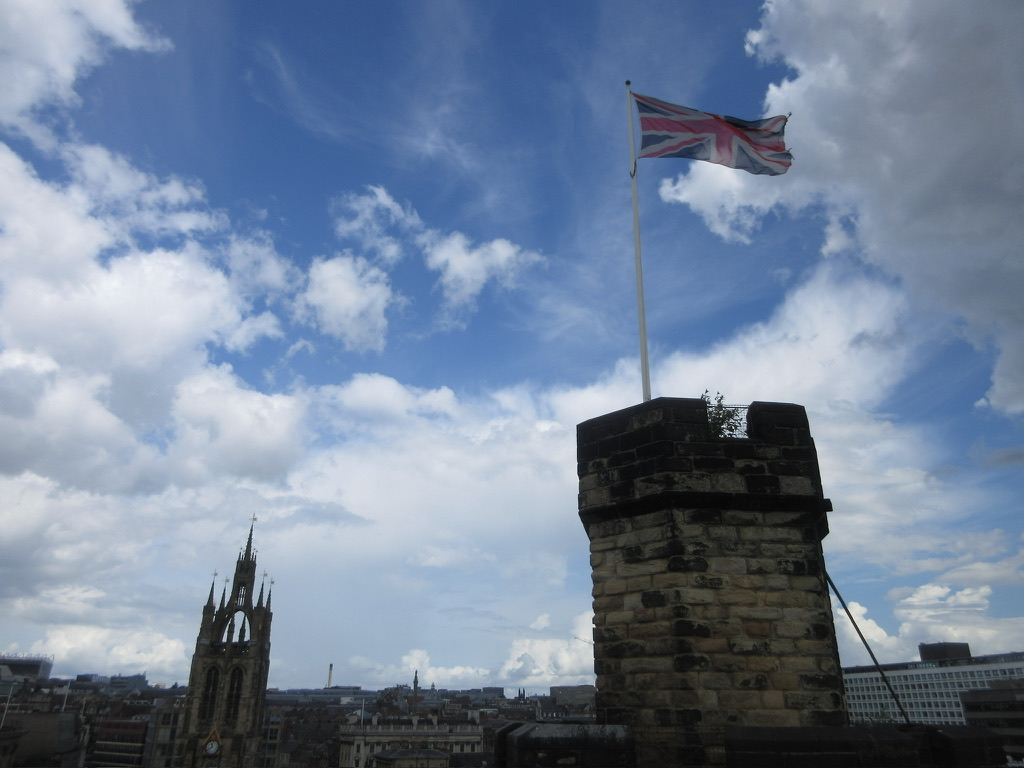
Our first stop in the city was Newcastle Castle, which was built on the site of parts of a Roman fort. Parts of the castle have Roman foundations which you can see when visiting. We toured the castle, which started construction in the 1100s by King Henry II, and additions were made throughout the years until the 1300s. After that, only restorations and reconstructions have been made. It has had many uses throughout the years. In Medieval times, royals would seek shelter in the castle, armies would prepare for battle here, criminals were imprisoned and executed in the castle, and more. The parts of the castle that still stand today were really interesting to walk inside of and learn about, like the Black Gate and the Castle Keep. It was also interesting to learn more about more of the recent uses of the castle, like during World War II. In World War II, the cellar of the castle was used as an air raid shelter during the Blitz, which was when the Luftwaffe (aerial warfare branch of the Nazi Wehrmacht) bombed places all across the United Kingdom.
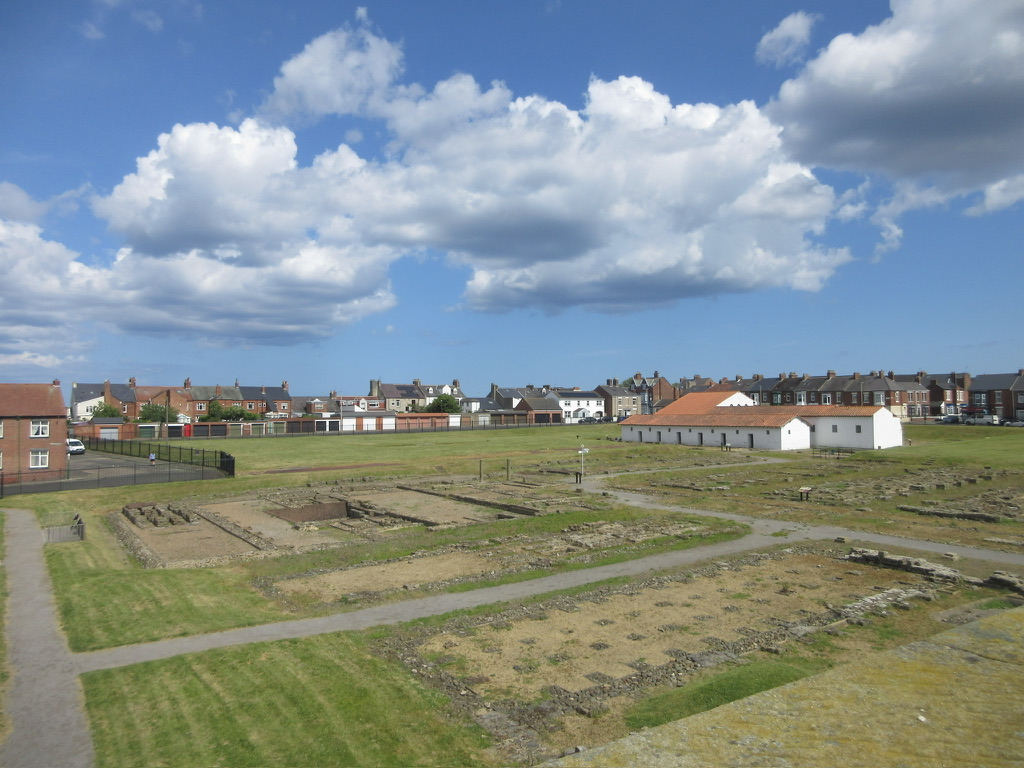
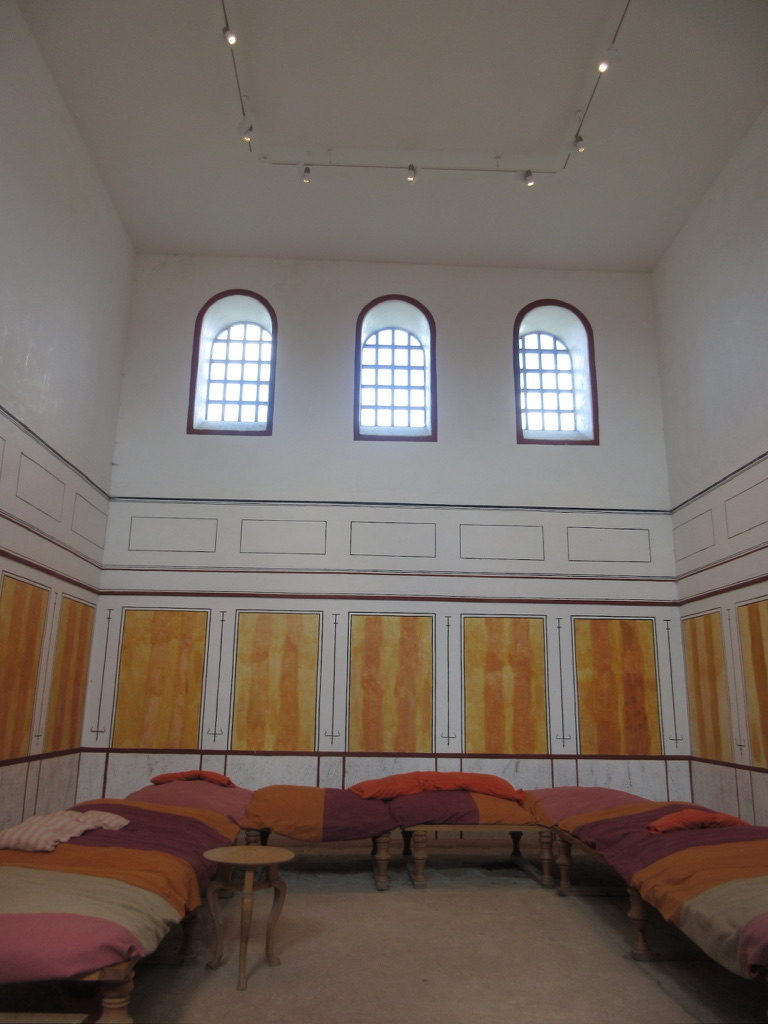
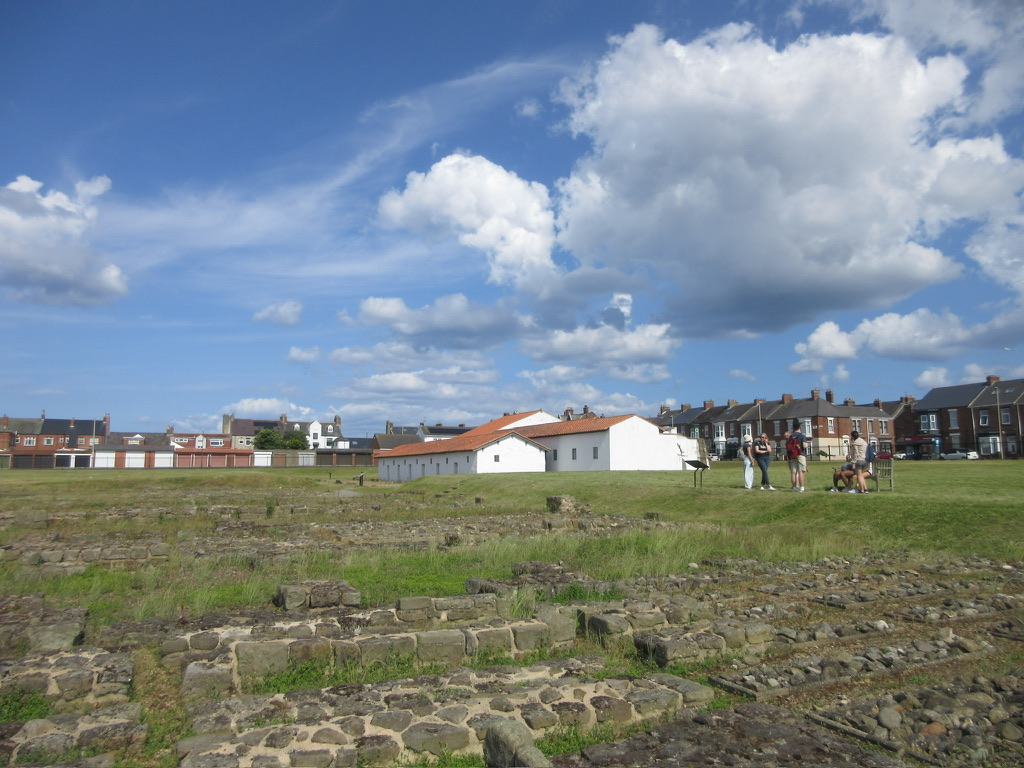
After we visited the castle, we took the subway to Arbeia, another large Roman fort near Newcastle. Although much of the fort is underneath the neighborhood that was built on top, we still saw a lot of ruins, including two reconstructed buildings: a gateway and the commander of the fort’s house. Both reconstructed buildings were super cool, especially the commander’s house. The house was reconstructed on its original foundations, and looks very Mediterranean. There are bedrooms, the triclinium, a courtyard, fresco paintings on the walls, and more. Attached to the house you can also see a replication of the barracks where soldiers lived in.
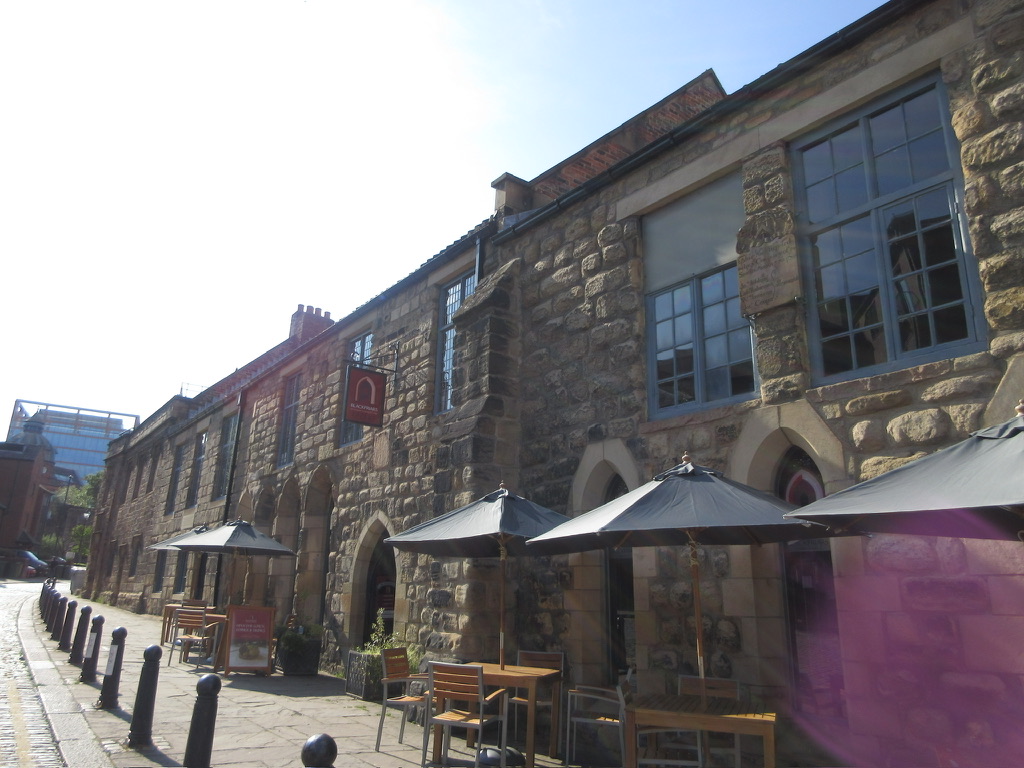
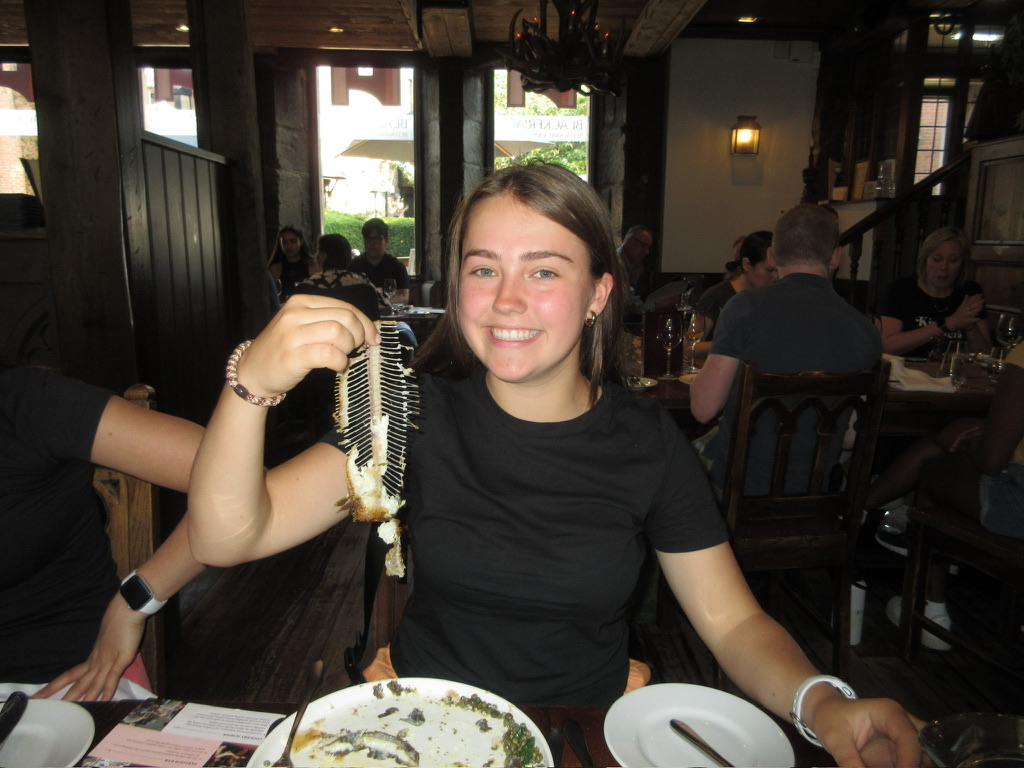
On our last stop of the day in Newcastle, we headed back to the center of the city to eat dinner at an old, restored friary, called Blackfriars. The building was built in the 1200s, when orders of friars began settling in England. Five mendicant communities lived within Newcastle, those being: the Blackfriars Priory, the Whitefriars Priory, the Austinfriars Priory, the Greyfriars Friary, and the Trinitarian Priory. During the English Reformation under Henry VIII, the five mendicant communities were dissolved. The Blackfriars building was then leased to the city’s craft guilds. During the 19th and early 20th century, the Blackfriars building was neglected and fell into a bad state of disrepair. In the 1970s, the building was restored. Blackfriars was a very cool restaurant to have a meal in; the building is fully functioning at around 800 years old.
After dinner, we took the train back to Hexham to pack and prepare for a day of travel to London, where we would finish our trip.
 Katharine's Klassics
Leave a comment